
A stroke occurs when the blood flow to a part of the brain is interrupted or when a blood vessel is broken. This can cause physical damage that may prevent mobility, neurological damage or even death if not treated promptly.
Warning signs (Remember the word “fast” in English):
- F (Face): Face down or twisted
- A (Arms): Weakness or numbness in an arm
- S (Speech): Difficulty speaking or understanding
- T (Time): Call 9-1-1 immediately
Most common risk factors
- Chronic conditions such as high blood pressure, diabetes, or elevated cholesterol
- Smoking or using “vape” and excessive alcohol consumption
- Sedentary lifestyle and obesity
- Chronic stress
- Not sleeping well
Recommendations for Prevention
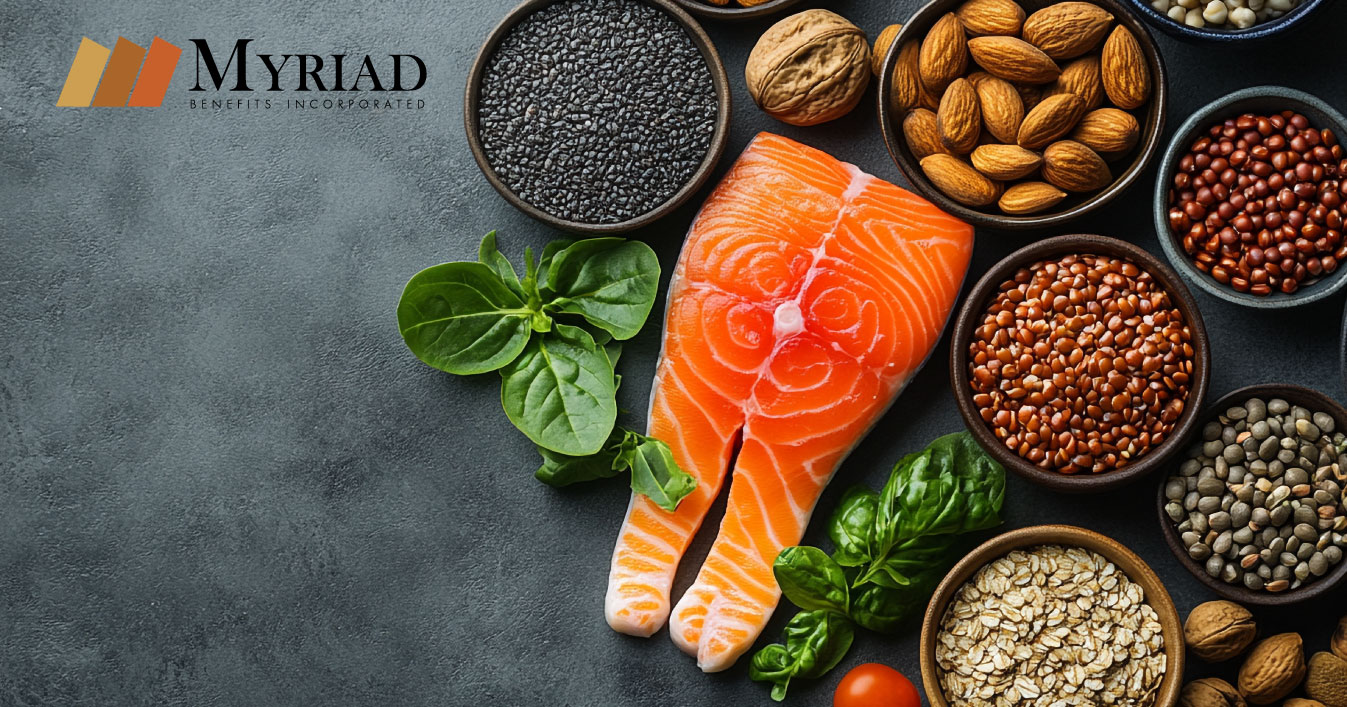
- Balanced diet rich in fruits, vegetables, whole grains and lean (low-fat) protein.
- Limit the consumption of salt, added sugars and saturated fat.
- Exercise at least 150 minutes per week.
- Do not smoke and reduce alcohol consumption.
- Sleep 7-9 hours a day.
- See your doctor regularly to monitor blood pressure, glucose levels, cholesterol and overall cardiovascular health.
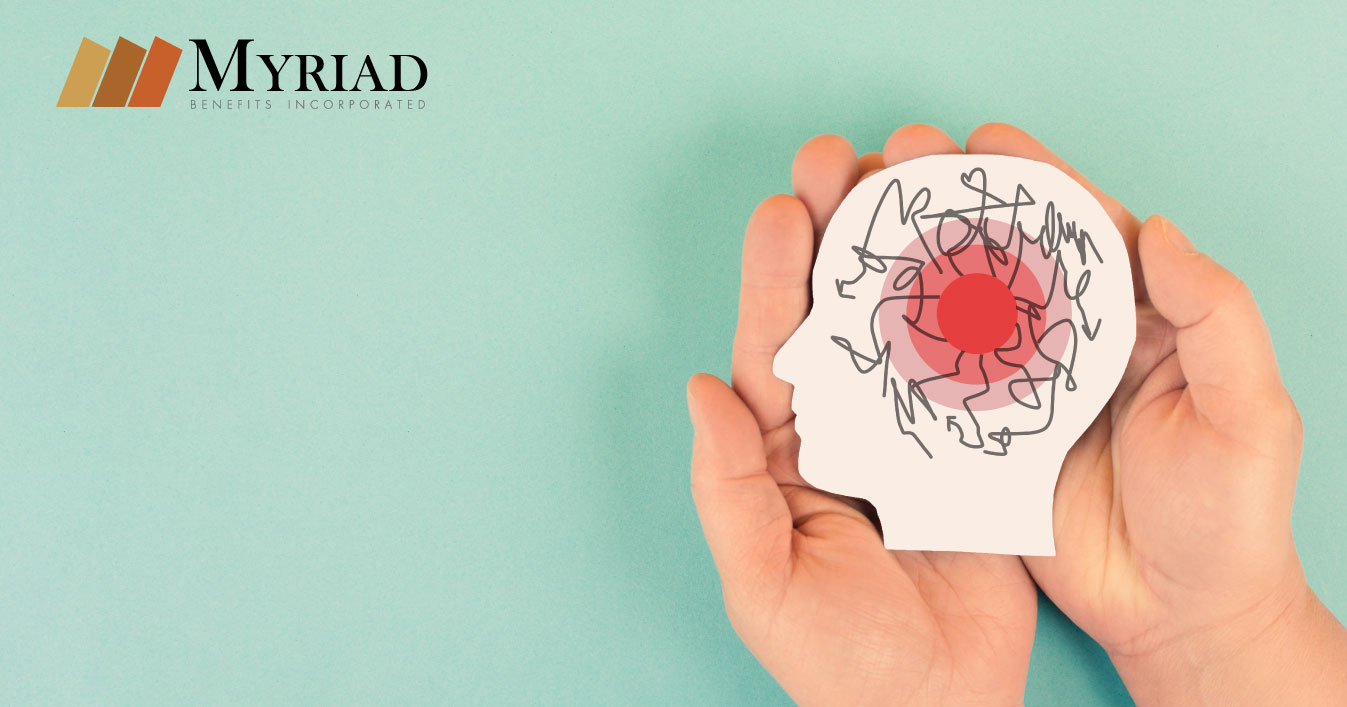
- Mental health also influences cardiovascular and brain health, constant stress, anxiety, depression, and emotional exhaustion can increase blood pressure and the risk of cardiovascular disease.
- Take breaks during the day, practice deep breathing or meditation, maintain healthy social connections, seek professional help if you feel overwhelmed, and promote a work-life balance.
Taking care of your health today can protect you tomorrow!
Source: The National Institutes of Health (NIH), 2025